What Is Legal Interpretation?
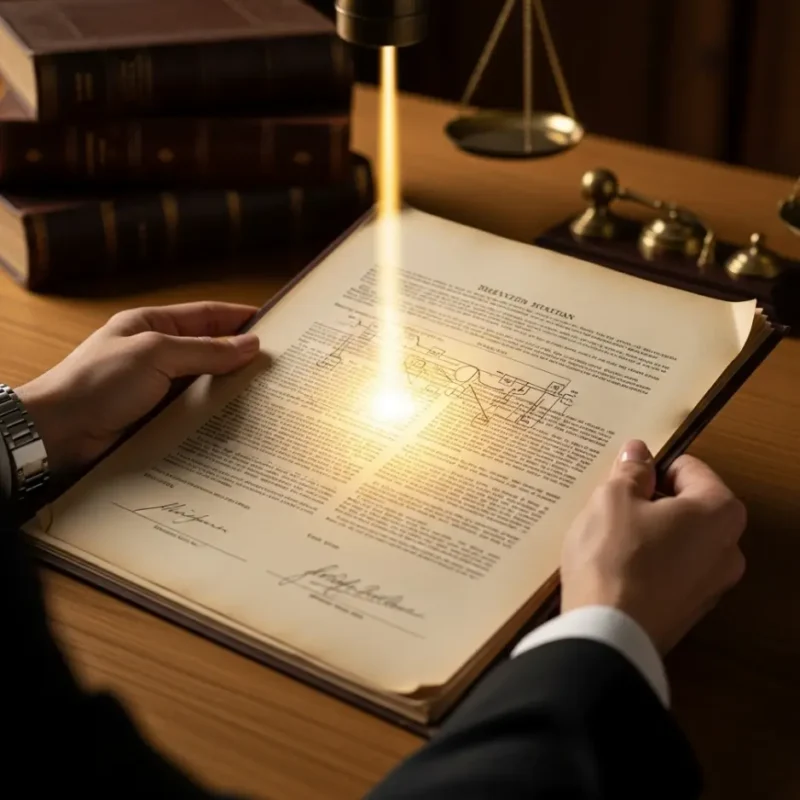
Legal interpretation is the process by which courts, judges, and legal scholars determine the meaning of laws, statutes, contracts, and legal texts. Since legal language can often be broad, technical, or ambiguous, interpretation plays a crucial role in applying laws fairly and consistently.
Simple Definition
Legal interpretation is the method of analyzing and explaining legal texts to understand their scope, intent, and application. It ensures that legal rules are applied correctly to real-life cases.
Real-Life Examples
- Statutory interpretation: Courts clarify whether a law banning “vehicles in parks” applies to bicycles.
- Contract disputes: Judges interpret vague contract terms, such as “reasonable efforts.”
- Constitutional law: Courts interpret constitutional provisions to address modern issues like digital privacy.
- Regulations: Agencies interpret laws to create rules that businesses and citizens must follow.
Importance of the Term
- Ensures clarity: Helps resolve ambiguities in legal texts.
- Maintains fairness: Prevents misapplication or manipulation of laws.
- Preserves legislative intent: Ensures laws are enforced as lawmakers intended.
- Supports consistency: Promotes uniform rulings across courts and jurisdictions.
Methods of Legal Interpretation
| Method | Description |
|---|---|
| Textualism | Focuses strictly on the plain meaning of the words in the law. |
| Intentionalism | Seeks to apply the intent of the lawmakers who created the law. |
| Purposivism | Considers the broader purpose or goal of the law. |
| Precedent-based | Relies on prior judicial decisions to guide interpretation. |
FAQ
1) Why is legal interpretation necessary?
Because laws cannot anticipate every situation, interpretation adapts them to real-life cases.
2) Who performs legal interpretation?
Primarily judges, but lawyers, legislators, and agencies also interpret laws.
3) Can different courts interpret laws differently?
Yes, which may lead to appeals or higher court rulings to resolve conflicts.
4) Does interpretation change the law?
Not formally, but interpretations can shape how laws are applied in practice.
5) How does interpretation affect citizens?
It determines rights, duties, and consequences under the law in specific circumstances.
Closing
Legal interpretation is a cornerstone of justice, bridging the gap between written law and real-world application. By clarifying meanings and resolving ambiguities, it ensures fairness, consistency, and fidelity to legislative intent.

Hamit Sahin is the founder and editor of LegalTerms.net. He researches U.S. legal terminology and publicly available legal information using statutes, court rules, judicial opinions, government publications, and established legal reference sources.
His work focuses on organizing complex legal concepts into clear, plain-English explanations for general educational purposes.
Hamit is not an attorney and LegalTerms.net does not provide legal advice.