What Is a Hostile Witness?
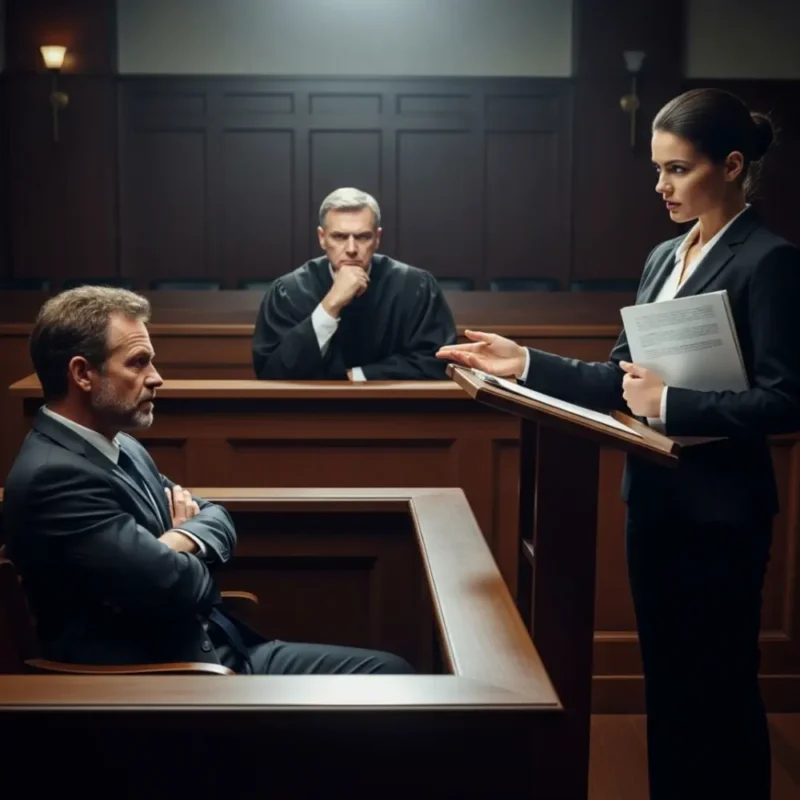
In courtroom proceedings, not every witness supports the side that called them to testify. When a witness shows open antagonism, refuses to cooperate, or provides testimony against the calling party’s interest, the court may classify them as a hostile witness.
Simple Definition
A hostile witness is someone who, once called to testify, demonstrates behavior or statements that are adverse to the side that summoned them, allowing the attorney to use leading questions during examination.
Real-Life Examples of Hostile Witnesses
- Civil cases: A business partner called to testify who shifts blame and resists questions.
- Criminal cases: A friend of the defendant who unexpectedly provides damaging statements.
- Family law: A relative who becomes uncooperative and contradicts their prior statements.
Importance of the Concept
The designation of a hostile witness is important because it changes courtroom strategy. Attorneys are usually restricted from asking leading questions to their own witnesses, but once hostility is recognized, they gain the ability to challenge credibility and control the testimony more effectively.
Comparison: Hostile vs Adverse Witness
Adverse Witness: Testimony simply does not favor the calling party.
Hostile Witness: Testimony includes clear opposition, refusal, or antagonistic behavior.
| Feature | Adverse Witness | Hostile Witness |
|---|---|---|
| Attitude | Neutral but unfavorable | Openly uncooperative |
| Court Designation | Not always required | Requires judge’s recognition |
| Attorney Approach | Standard questioning | Leading questions permitted |
FAQ
1. What does it mean when a witness is declared hostile?
It means the court allows the examining attorney to treat the witness as if on cross-examination.
2. Can any witness become hostile?
Yes, if their testimony or behavior directly contradicts the expectations of the calling party.
3. Why are leading questions allowed for hostile witnesses?
Because hostility undermines cooperation, leading questions help clarify facts.
4. Is hostility the same as lying?
Not necessarily; a hostile witness may still tell the truth but in a way that harms the calling side.
5. How do judges decide if a witness is hostile?
Judges look for clear signs of resistance, contradiction, or antagonistic behavior.
Closing
A hostile witness adds complexity to legal proceedings, but the designation ensures attorneys can adapt and effectively manage testimony. Recognizing the difference between adverse and hostile witnesses is vital in understanding courtroom dynamics.

LegalTerms.net Editorial Staff produces plain-English explanations of legal terminology for general educational purposes. Content is developed through a structured research process using publicly available legal resources, including statutory frameworks, case law databases, and authoritative legal publications.
All articles are reviewed for clarity, factual consistency, and alignment with widely accepted legal standards before publication. Content does not constitute legal advice.
Learn how our content is created: Content Methodology · Editorial Guidelines · Legal Sources