What Is a Material Breach?
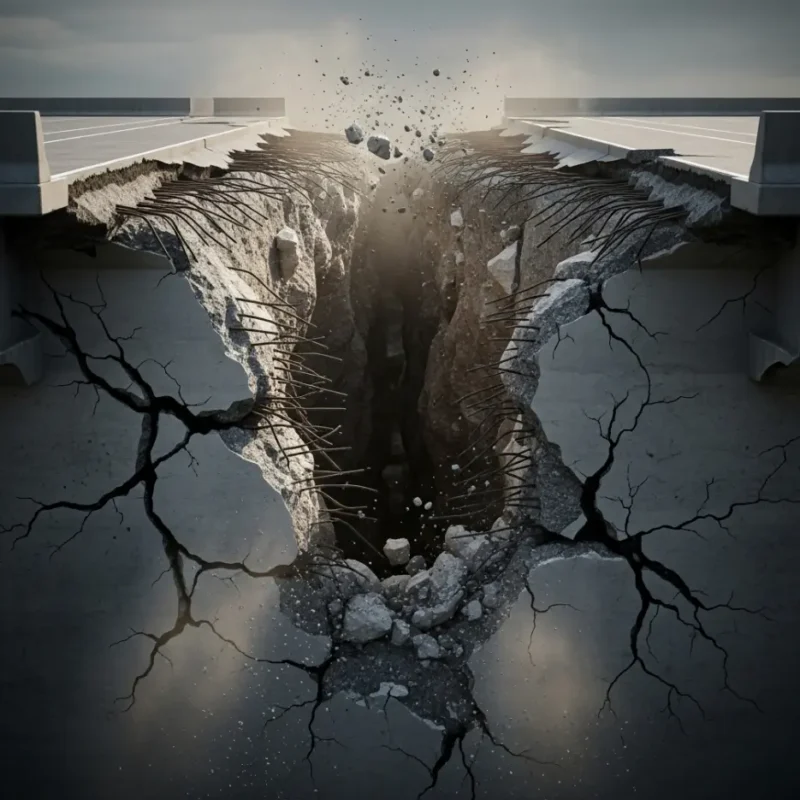
Not all breaches of contract are equal. Some are minor and do not significantly affect the agreement, while others go to the heart of the contract and justify serious legal consequences. These major violations are known as material breaches, and they often determine whether a contract remains enforceable.
Simple Definition
A material breach is a serious violation of a contract that substantially undermines the agreement, allowing the non-breaching party to terminate the contract and seek damages.
Real-Life Examples
- Construction contract: A builder fails to complete a house according to agreed specifications.
- Employment agreement: An employee discloses trade secrets, violating confidentiality terms.
- Sales contract: A supplier delivers completely different goods than what was ordered.
- Service contract: A consultant fails to perform critical services outlined in the agreement.
Importance of the Term
- Determines remedies: A material breach gives the injured party the right to terminate and sue.
- Protects fairness: Ensures parties cannot walk away from contracts for minor violations.
- Clarifies obligations: Helps distinguish between trivial and substantial failures.
- Supports enforcement: Reinforces the seriousness of contract terms.
Material Breach vs. Minor Breach
| Factor | Material Breach | Minor Breach |
|---|---|---|
| Severity | Substantially affects the contract outcome | Slight deviation from terms |
| Remedies | Allows termination + damages | Only damages, contract still valid |
| Example | Delivering no goods at all | Delivering goods one day late |
FAQ
1) Who decides if a breach is material?
Courts evaluate based on the seriousness of the breach and its effect on the contract.
2) Can a contract continue after a material breach?
Only if the non-breaching party chooses to waive the breach or renegotiate terms.
3) What factors determine materiality?
The importance of the term breached, extent of harm, and possibility of compensation.
4) Is late performance always a material breach?
Not necessarily. It depends on whether time was an essential term of the contract.
5) What remedies are available for material breach?
Termination of the contract, restitution, and monetary damages.
Closing
A material breach is a fundamental failure to honor a contract, giving the injured party the right to walk away and pursue legal remedies. By distinguishing between material and minor breaches, the law ensures fairness and preserves the integrity of agreements.

Hamit Sahin is the founder and editor of LegalTerms.net. He researches U.S. legal terminology and publicly available legal information using statutes, court rules, judicial opinions, government publications, and established legal reference sources.
His work focuses on organizing complex legal concepts into clear, plain-English explanations for general educational purposes.
Hamit is not an attorney and LegalTerms.net does not provide legal advice.