What Is a Court Order? Legal Meaning Explained Simply
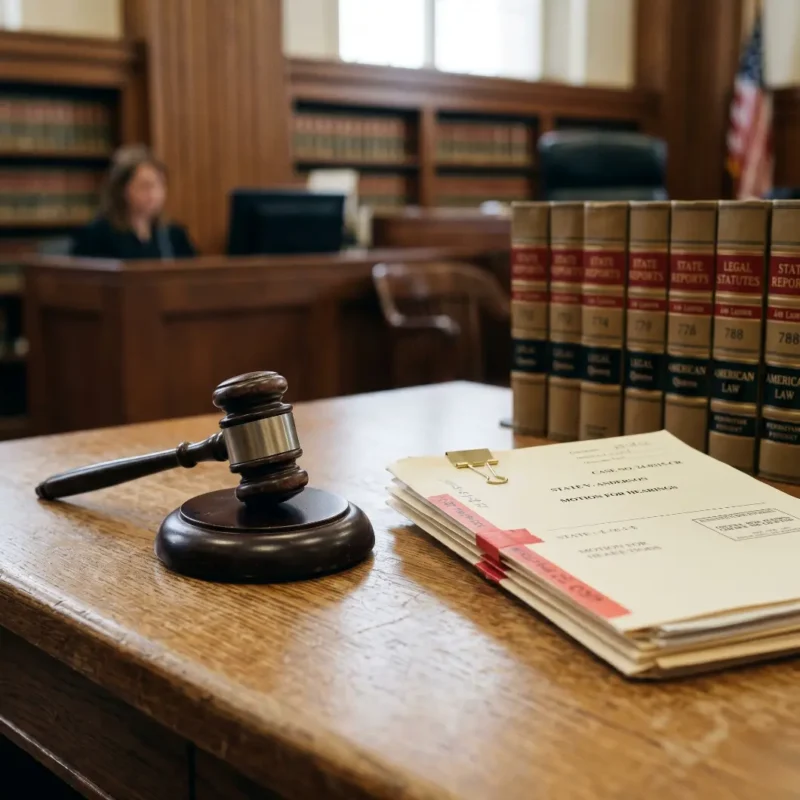
What Is a Court Order? A court order is an official decision issued by a judge that requires a person or organization to do something or stop doing something. It is legally binding and must be followed.
What Is a Court Order in Simple Terms?
A court order is a written or spoken instruction from a judge. It tells someone what they must do under the law. Once issued, it carries legal authority and cannot be ignored.
In simple terms, a court order is:
- A formal command from a court
- Enforceable by law
- Mandatory to follow
Unlike general legal advice or informal agreements, a court order has direct consequences if you fail to comply.
Common types of court orders include:
- Orders to appear in court
- Orders to pay money (such as fines or settlements)
- Orders to provide documents or evidence
- Orders to stop certain actions (restraining orders)
Each type serves a specific legal purpose, but they all share one key feature: they are legally enforceable.
Who Issues a Court Order and Why?
Court orders are issued by judges during legal proceedings. They are used to control the process, enforce rights, and ensure that laws are followed.
A judge may issue a court order for several reasons:
- To manage a case effectively
- To protect one party from harm
- To require cooperation from individuals
- To enforce legal obligations
For example, in a civil dispute, a judge may order one party to provide documents. In a criminal case, a judge may order someone to appear in court.
Court orders are not random decisions. They are based on legal rules and are usually requested by attorneys during a case.
Is a Court Order the Same as a Subpoena?
If someone fails to respond to a subpoena, the court may issue an order forcing them to comply, and ignoring a subpoena can lead to serious legal consequences.
This is a common question, and the answer is no.
A subpoena is a specific type of legal document that requires someone to appear in court or provide evidence. It is often issued by an attorney or court clerk.
A court order, on the other hand, is broader.
Key differences:
- A subpoena is a request with legal force
- A court order is a direct command from a judge
In many cases, ignoring a subpoena can lead to a court order. For example:
If someone fails to respond to a subpoena, the court may issue an order forcing them to comply.
This is why understanding both terms is important.
What Happens If You Ignore a Court Order?

Ignoring a court order is a serious matter. Courts treat non-compliance as a violation of legal authority.
Possible consequences include:
- Being held in contempt of court
- Fines or financial penalties
- Additional legal restrictions
- In severe cases, arrest
The severity depends on the type of order and the situation. However, even minor court orders should not be ignored.
Real example:
A person is ordered to appear in court but decides not to attend.
The judge may issue a new order, impose a fine, or escalate the situation further.
Ignoring a court order often makes the situation worse.
Are All Court Orders Permanent?
No, not all court orders are permanent. Some are temporary, while others are final.
Types based on duration:
- Temporary orders (short-term decisions during a case)
- Interim orders (valid until a final decision is made)
- Final orders (long-term or permanent rulings)
Temporary orders are often used to maintain stability during legal proceedings. Final orders are issued after a case is fully decided.
Can a Court Order Be Challenged or Changed?
Yes, a court order can be challenged, but not ignored.
If you believe an order is unfair or incorrect, you have legal options.
Common actions include:
- Filing an appeal
- Requesting modification
- Asking the court to review the decision
Each of these requires formal legal steps. Simply refusing to follow the order is not a valid option.
What Should You Do If You Receive a Court Order?

The best response is to take it seriously and act quickly.
Recommended steps:
1. Read the order carefully
Understand exactly what is required.
2. Check deadlines
Court orders often include strict timelines.
3. Follow instructions
Comply with the requirements as stated.
4. Seek legal advice if needed
A lawyer can help you understand your obligations.
5. Take action immediately
Delays can lead to additional problems.
Final Answer: What Is a Court Order?
A court order is a legally binding instruction issued by a judge. It requires specific actions and must be followed.
Ignoring a court order can lead to serious legal consequences, including fines and court penalties. If you disagree with an order, the correct approach is to challenge it legally—not ignore it.
FAQ
What is a court order in simple terms?
A court order is a legally binding instruction issued by a judge that requires a person or organization to take a specific action or stop certain behavior.
Can you ignore a court order?
No. Ignoring a court order can lead to serious consequences such as fines, contempt of court, or even arrest in some cases.
What happens if you violate a court order?
Violating a court order may result in penalties including fines, additional legal actions, or enforcement measures ordered by the court.
Is a subpoena the same as a court order?
No. A subpoena is a legal request to appear or provide evidence, while a court order is a direct command issued by a judge.
Can a court order be changed?
Yes. A court order can be modified or challenged through legal procedures such as filing an appeal or requesting a review.

LegalTerms.net Editorial Staff produces plain-English explanations of legal terminology for general educational purposes. Content is developed through a structured research process using publicly available legal resources, including statutory frameworks, case law databases, and authoritative legal publications.
All articles are reviewed for clarity, factual consistency, and alignment with widely accepted legal standards before publication. Content does not constitute legal advice.
Learn how our content is created: Content Methodology · Editorial Guidelines · Legal Sources