Do I Need a Lawyer for Small Claims Court?
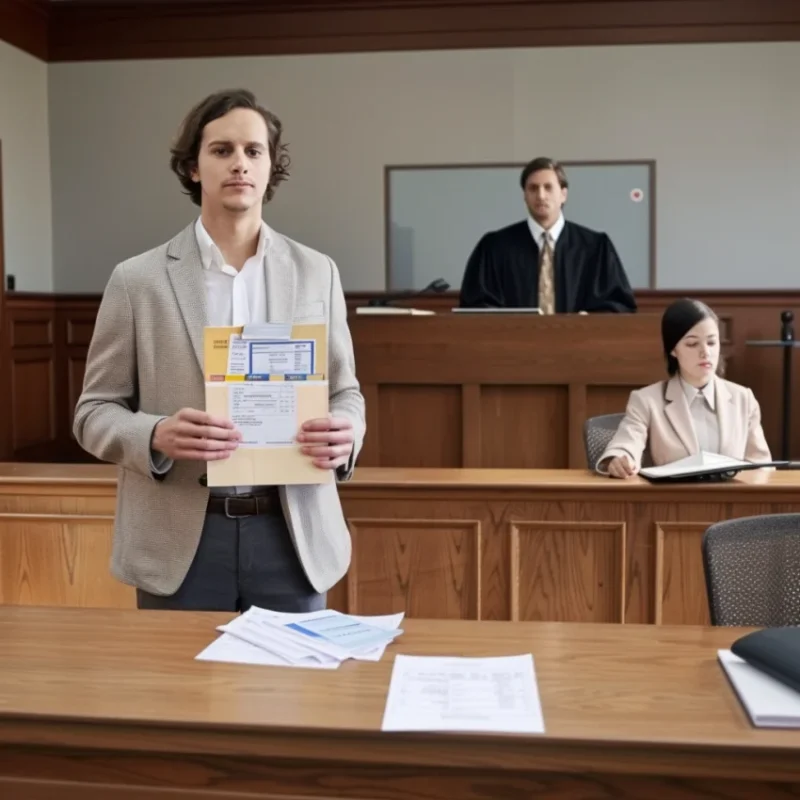
Small claims court is designed to resolve disputes quickly, informally, and at low cost. Because of this simplified structure, many people ask the same core question: Do I need a lawyer for small claims court?
The short answer is usually no, but the complete answer depends on several legal and practical factors. Understanding how small claims court works—and what role lawyers play in it—is essential before deciding how to proceed.
What Is Small Claims Court?
Small claims court is a specialized civil court that handles disputes involving relatively low monetary amounts. Its primary goal is to provide accessible justice without requiring formal legal representation.
Typical cases heard in small claims court include:
- Unpaid debts or loans
- Property damage claims
- Security deposit disputes
- Minor contract disagreements
- Consumer complaints
The maximum amount you can claim varies by jurisdiction, but small claims courts are intentionally limited in scope to keep proceedings efficient and manageable.
Unlike higher courts, small claims court places less emphasis on complex legal procedure and more emphasis on facts, documentation, and fairness.
General Rule: A Lawyer Is Usually Not Required
In most jurisdictions, you are not required to hire a lawyer to file or defend a case in small claims court. The system is specifically designed for self-represented litigants, also known as individuals who appear without legal counsel.
Judges in small claims court often take a more active role than judges in other courts. They may:
- Ask clarifying questions
- Explain basic procedures
- Focus on the core facts of the dispute
This approach helps ensure that parties without legal training can still present their cases effectively.
As a result, many people successfully handle small claims cases without any legal representation.
Are Lawyers Allowed in Small Claims Court?
Whether lawyers are allowed to participate in small claims court depends on local court rules. Jurisdictions generally fall into one of three categories:
- Lawyers are fully allowed to represent parties
- Lawyers are restricted unless certain conditions are met
- Lawyers are prohibited from appearing in court
In some courts, attorneys may only appear if both parties agree. In others, lawyers are permitted to advise clients behind the scenes but not speak during the hearing.
These restrictions exist to preserve the informal nature of small claims court and to prevent legal representation from creating an unfair advantage.
Why Small Claims Courts Limit Lawyer Involvement
Small claims courts are designed to be balanced and efficient. Allowing unrestricted legal representation could undermine this goal.
Courts often limit lawyers because:
- One represented party can overwhelm an unrepresented opponent
- Legal arguments may distract from factual issues
- Costs and delays may increase
By limiting attorney participation, small claims courts encourage decisions based on common sense and clear evidence, rather than technical legal strategies.
This structure reflects a deliberate policy choice: simplicity over formality.
When Legal Advice Can Still Be Helpful
Even when a lawyer is not required—or not permitted to appear—legal advice may still be valuable.
Consulting a lawyer before your hearing can help you:
- Understand your legal rights and obligations
- Evaluate the strength of your claim or defense
- Organize evidence effectively
- Avoid procedural mistakes
This type of limited consultation is different from full legal representation and is often more affordable.
In cases involving unclear contracts, disputed facts, or potential counterclaims, pre-hearing legal guidance can improve your confidence and preparation.
When Hiring a Lawyer May Be Beneficial
Although small claims court is designed for self-representation, there are situations where hiring or consulting a lawyer can be beneficial. This is especially true when the dispute involves legal complexity rather than a simple factual disagreement.
Legal assistance may be helpful when:
- The law governing the dispute is unclear or technical
- Multiple legal issues overlap (for example, contract and tort claims together)
- The opposing party is legally sophisticated
- The case involves significant documentation or records
In these situations, a lawyer can help you understand how the law applies to your facts and how to present your case more effectively.
Situations Where Legal Representation May Be Required or Strongly Recommended
In most jurisdictions, lawyers are not mandatory in small claims court. However, certain circumstances may make legal representation necessary or strongly advisable.
Examples include:
- Appeals of small claims decisions, which often follow formal appellate procedures
- Jurisdictional challenges, such as disputes over venue or court authority
- Cases involving legal incapacity, including minors or individuals under guardianship
- Claims that may exceed small claims limits, requiring transfer to a higher court
In these cases, proceeding without legal counsel may expose you to procedural risks or unfavorable outcomes.
Business Entities and Lawyer Requirements
Rules governing legal representation often differ when business entities are involved. Some jurisdictions require corporations or limited liability companies to appear through a licensed attorney, even in small claims court.
Other jurisdictions allow businesses to be represented by:
- An owner
- A corporate officer
- An authorized employee or agent
These rules are based on policy concerns about accountability and legal responsibility. Before filing or defending a claim involving a business, it is essential to verify local court requirements.
Failing to comply with representation rules may result in dismissal or delay.
Cost Considerations: Is a Lawyer Worth It?
One of the defining features of small claims court is cost efficiency. Hiring a lawyer can significantly increase expenses, sometimes exceeding the amount in dispute.
Before retaining legal counsel, consider the following factors:
- The value of the claim
- The likelihood of success
- The potential cost of legal fees
- The time and stress involved in self-representation
In some cases, paying for limited legal advice may be a reasonable compromise, offering clarity without full representation.
Does Having a Lawyer Improve Outcomes?
Legal representation does not automatically guarantee a favorable outcome in small claims court. Judges focus primarily on evidence, credibility, and fairness, rather than legal technicalities.
Well-prepared self-represented litigants often succeed when they:
- Present clear facts
- Organize documents logically
- Explain their position calmly and concisely
Conversely, poorly prepared parties may struggle even with legal assistance. This highlights an important principle of small claims court: preparation matters more than representation.
Risk Assessment for Self-Representation
Deciding whether to hire a lawyer ultimately involves risk assessment. Self-representation may be appropriate when the dispute is straightforward and the financial stakes are low.
However, risks increase when:
- The opposing party has legal counsel
- The dispute involves complex legal standards
- The outcome may have long-term consequences
Understanding these risks can help you make an informed decision about whether legal assistance is necessary.
Practical Tips for Representing Yourself in Small Claims Court
If you decide to proceed without a lawyer, preparation is the most important factor. Small claims judges expect clear explanations and organized evidence, not technical legal arguments.
Before your hearing, make sure you can clearly explain:
- What happened and when it occurred
- Why the other party is responsible
- What outcome you are requesting (payment, repair, refund)
Helpful preparation steps include:
- Organizing documents chronologically, such as contracts, receipts, emails, and photos
- Making copies of all evidence for the court and the opposing party
- Practicing a brief explanation of your case in plain language
Being calm, respectful, and concise during the hearing often matters more than legal knowledge.
Common Myths About Lawyers in Small Claims Court
There are several widespread misunderstandings about lawyers in small claims court. These myths often discourage people from pursuing valid claims.
Common misconceptions include:
- Having a lawyer guarantees a win
- Judges favor parties with legal representation
- Legal arguments are more important than facts
- Self-represented litigants are at a disadvantage
In reality, small claims courts are structured to emphasize fairness and accessibility. Judges are trained to evaluate evidence objectively and often take steps to ensure that unrepresented parties can present their cases effectively.
Jurisdictional Differences and Local Court Rules
Small claims court procedures vary significantly depending on local law. Rules that apply in one jurisdiction may not apply in another.
Key differences may involve:
- Maximum claim limits
- Whether lawyers are allowed or restricted
- Rules for business representation
- Appeal procedures and deadlines
Because of these differences, it is essential to review official court rules or resources for the specific jurisdiction where your case will be heard. Assumptions based on general information may lead to procedural errors.
Conclusion
Small claims court exists to provide accessible and efficient justice without the necessity of formal legal representation. In many cases, individuals can successfully represent themselves by focusing on facts, evidence, and preparation.
While legal advice or representation may be beneficial in certain situations, a lawyer is not automatically required. The decision should be based on the complexity of the case, the amount at stake, and applicable court rules rather than assumption or fear.
Understanding how small claims court works empowers individuals to make informed decisions and pursue or defend claims with confidence.
Frequently Asked Questions
Do I need a lawyer to file a small claims case?
In most cases, no. Small claims courts are designed for self-representation, and lawyers are often not required.
Can I consult a lawyer without hiring one?
Yes. Limited legal consultation before your hearing is common and may help you prepare more effectively.
What if the other party has a lawyer?
Judges typically account for representation differences and focus on evidence rather than legal strategy.
Are small claims decisions final?
Not always. Some jurisdictions allow appeals, though appellate procedures may involve more formal legal requirements.
Can I recover attorney’s fees in small claims court?
In most cases, attorney’s fees are not recoverable in small claims court unless a contract or statute specifically allows it. Courts generally aim to keep costs low and proceedings simple.
What happens if I lose a small claims case without a lawyer?
If you lose, the court may enter a judgment against you requiring payment or compliance. Lack of legal representation alone does not affect your rights, but you must still follow post-judgment rules such as payment deadlines or appeal procedures.
LegalTerms.net provides verified legal definitions and procedural explanations for academic and educational reference.
Table of Contents for Do I Need a Lawyer for Small Claims Court

Hamit Sahin is the founder and editor of LegalTerms.net. He researches U.S. legal terminology and publicly available legal information using statutes, court rules, judicial opinions, government publications, and established legal reference sources.
His work focuses on organizing complex legal concepts into clear, plain-English explanations for general educational purposes.
Hamit is not an attorney and LegalTerms.net does not provide legal advice.