Short, practical explanations that break down complex legal terms for everyone. Perfect for quick learning and boosting your legal vocabulary.

What Is a Memorandum of Understanding? If you have ever been handed a document titled “Memorandum of Understanding” and wondered…
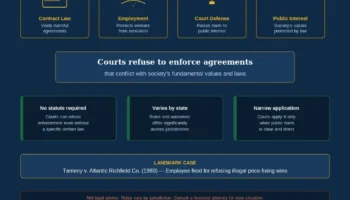
What Is a Public Policy Defense? Courts sometimes refuse to enforce contracts or uphold legal actions because doing so would…
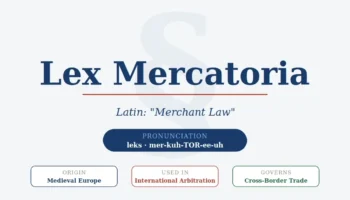
International business deals happen across borders every day. Two companies from different countries sign a contract, ship goods, and exchange…
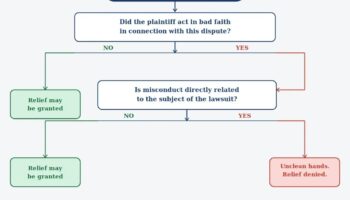
Picture this: a landlord rents out an apartment that violates local housing codes. When the tenant stops paying rent, the…
You have probably heard the phrase “penal code” on a police procedural, in a news story about a criminal case,…
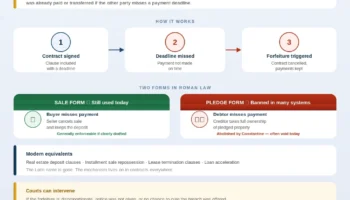
What Is Lex Commissoria? Some legal terms sound ancient because they are. Lex commissoria is a Latin phrase that translates…
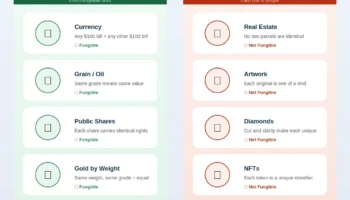
Not every legal term makes its way into everyday conversation. Fungible is one of the exceptions. Most people have heard…
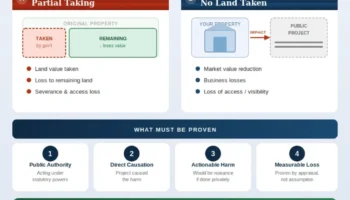
What Is Injurious Affection? Losing part of your property to a government project is hard enough. But what happens when…

Lex Fori means the law of the court hearing a case. Learn what it covers, when it applies, and how it differs from choice of law rules.
Miss a legal deadline, and your case may be over before it starts. That is why the tolling of statute…

