What Is a Legal Continuance?

Court cases do not always proceed as scheduled. Sometimes, one party needs more time to prepare, gather evidence, or address unforeseen circumstances. In such situations, they may request a legal continuance, which delays the trial or hearing to a later date.
Simple Definition
A legal continuance is a court-approved postponement of a trial, hearing, or other legal proceeding, usually granted upon a party’s request for additional time.
Real-Life Examples of Legal Continuances
- Attorney preparation: A lawyer requests more time to review new evidence.
- Unavailable witness: A key witness cannot attend the scheduled hearing, leading to a continuance.
- Medical emergency: A defendant or attorney is ill and unable to appear in court.
- Complex cases: Additional time is needed to gather expert testimony.
Importance of the Concept
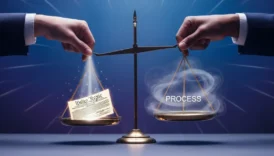
Continuances are important because they protect fairness in trials. By allowing extra time, courts ensure that both sides can prepare adequately, preventing rushed judgments and safeguarding due process. However, excessive continuances can also delay justice, so courts balance fairness with efficiency.
Comparison: Continuance vs Adjournment
Continuance: A formal postponement of proceedings, often to a later fixed date.
Adjournment: A temporary suspension, sometimes for hours or days, without major rescheduling.
| Feature | Continuance | Adjournment |
|---|---|---|
| Duration | Longer, until new date set | Short-term break |
| Formality | Requires court approval | May be routine or informal |
| Example | Postponing trial by weeks | Pausing hearing until next day |
FAQ
1. What does continuance mean in law?
It means postponing a court proceeding to a later date with judicial approval.
2. Why might a court grant a continuance?
For fairness, such as allowing more preparation time or accommodating emergencies.
3. Who can request a continuance?
Either party in a case, including defense, prosecution, or plaintiff.
4. Is a continuance always granted?
No, judges weigh the reasons carefully and may deny if it causes undue delay.
5. How does a continuance affect a case?
It extends the timeline but ensures due process and proper preparation.
Closing
A legal continuance ensures that trials remain fair by granting additional time when necessary. While it can delay proceedings, it protects due process and strengthens confidence in the legal system.

LegalTerms.net Editorial Staff produces plain-English explanations of legal terminology for general educational purposes. Content is developed through a structured research process using publicly available legal resources, including statutory frameworks, case law databases, and authoritative legal publications.
All articles are reviewed for clarity, factual consistency, and alignment with widely accepted legal standards before publication. Content does not constitute legal advice.
Learn how our content is created: Content Methodology · Editorial Guidelines · Legal Sources