What Is the Miranda Warning?
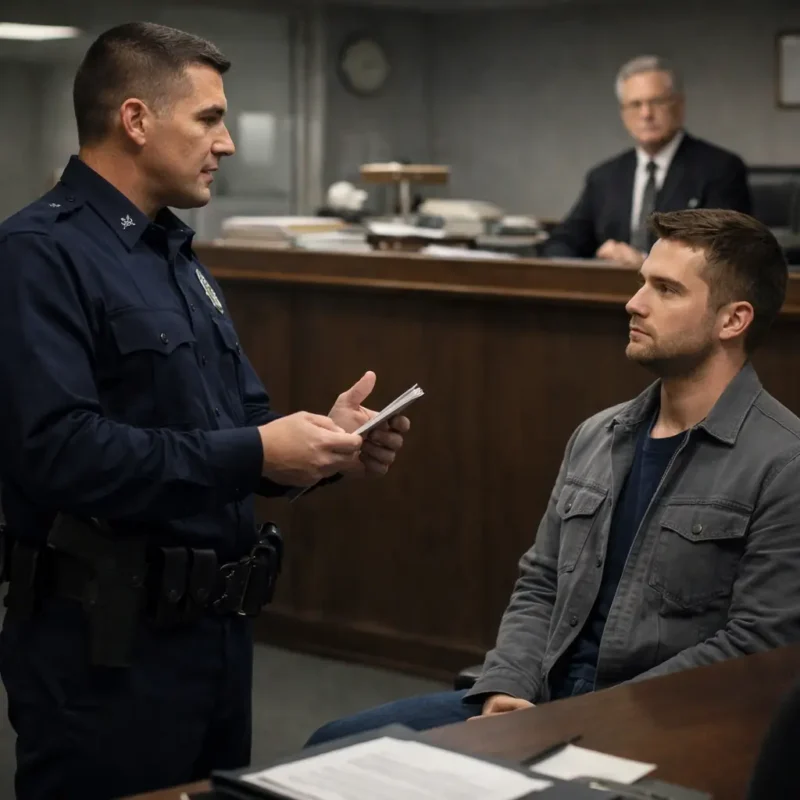
Miranda Warning Legal Definition and Core Purpose
The Miranda warning is a legal notice that police must give before questioning a suspect in custody. This warning informs individuals of their constitutional protections and explains their rights during police questioning. Miranda requires officers to ensure that suspects understand these rights before any formal investigative questioning begins.
Law enforcement officers use the Miranda warning to protect suspects from self-incrimination. This protection comes from the Fifth Amendment of the United States Constitution. The warning ensures that suspects understand their right to remain silent and their right to speak with a lawyer before answering questions.
The Miranda warning plays a central role in the criminal justice system. It ensures fairness and protects individual rights during police custody. Courts rely on Miranda rules to determine whether statements can be used in a criminal case.
Miranda Warning Constitutional Foundation and Supreme Court Authority
The Miranda warning originates from the landmark case Miranda v Arizona 384 U.S. 436 (1966). In this decision, the United States Supreme Court established clear rules for police questioning. The Court held that officers must inform suspects of their constitutional protections before custodial questioning.
The Supreme Court recognized that police custody creates psychological pressure. Suspects may feel compelled to answer questions even when it may harm their legal position. The Miranda warning helps protect the privilege against self incrimination.
This constitutional protection ensures that suspects understand their legal rights. Courts use Miranda rules to prevent unfair questioning practices. The warning helps maintain fairness in criminal proceedings.
The decision also strengthened the amendment right to counsel. Suspects must understand that they can talk to a lawyer before answering questions. This right protects individuals during police investigations.
When Miranda Warning Applies: Police Custody and Questioning
Miranda requires police to give the warning only in specific situations. Two conditions must exist at the same time: police custody and investigative questioning.
Police custody exists when officers restrict a suspect’s freedom. A suspect in police custody cannot leave freely. This situation may occur during formal arrest or controlled detention.
Courts evaluate custody using the totality of the circumstances. Judges examine the environment, officer behavior, and suspect freedom. This evaluation determines whether Miranda applies.
Miranda rules apply in many locations, including:
- Police stations
- Traffic stop situations that become custodial
- Formal arrest environments
- Controlled questioning rooms
A traffic stop alone does not always require Miranda warning. However, if the stop becomes restrictive and officers begin investigative questioning, Miranda protection may apply.
Police questioning must involve investigative intent. Officers must give Miranda warning before asking questions designed to obtain evidence against the suspect.
Rights Protected by the Miranda Warning
The Miranda warning protects several constitutional protections. These rights help suspects make informed legal decisions.
The warning informs suspects that:
- They have the right to remain silent
- Their statements may be used in a criminal case
- They have the right to talk to a lawyer
- They have the amendment right to counsel
- The court can appoint a lawyer if they cannot afford an attorney
These protections help ensure fairness in police investigations. Suspects may answer any questions or refuse to respond.
The warning ensures suspects understand their legal options before answering any questions. This process protects individual rights and strengthens the criminal justice system.
Role of Law Enforcement Officers in Providing Miranda Warning
Law enforcement officers must follow strict procedures when giving Miranda warning. Officers must communicate the warning clearly and ensure that suspects understand their rights.
Officers cannot compel suspects to speak. The Constitution protects individuals from being compelled in any criminal investigation to provide self-incriminating statements.
Officers typically provide Miranda warning during formal arrest or custodial questioning. They may also provide the warning inside a police station or controlled environment.
The warning helps protect both suspects and law enforcement officers. It ensures that statements are legally valid and admissible.
Courts carefully review officer conduct to determine whether Miranda requires suppression of statements.
Miranda Warning Admissibility of Statements in a Criminal Case
The Miranda warning directly affects the admissibility of statements in a criminal case. Courts examine whether law enforcement officers followed proper procedures before using suspect statements as evidence.
If officers question a suspect in police custody without providing Miranda warning, courts may reject those statements. This process is known as Miranda warning evidence suppression. Suppression prevents prosecutors from using improperly obtained statements.
Courts enforce this rule to protect constitutional protections. The United States Supreme Court created this safeguard to ensure fairness in criminal proceedings.
Miranda rules help ensure that statements used in court come from lawful police questioning. This protection strengthens the integrity of the criminal justice system.
Waiver of Miranda Rights Legal Meaning and Legal Standards
A suspect may choose to waive Miranda rights. The waiver of Miranda rights legal meaning refers to a suspect’s voluntary decision to speak with police after receiving proper warning.
Courts require that a waiver meets strict legal standards. The suspect must understand their rights and make the decision freely. Courts evaluate whether the suspect had the ability to talk to a lawyer before answering questions.
Law enforcement officers must ensure that suspects understand their rights clearly. Courts review waiver validity using the totality of the circumstances.
A valid waiver allows police to use statements in a criminal case. However, courts reject statements if officers use coercion or fail to follow proper procedures.
Criminal defense lawyers often challenge waiver validity. Criminal defense lawyers examine police conduct and protect suspect rights.
Role of Criminal Defense Lawyers and Constitutional Protections
Criminal defense lawyers play a critical role in Miranda-related cases. They protect suspects from unlawful questioning practices.
A defense lawyer may argue that police violated Miranda requirements. Defense lawyers review whether officers respected the amendment right to counsel and other constitutional protections.
Defense lawyers ensure that suspects receive fair treatment during police questioning. They also challenge statements obtained in violation of Miranda rules.
The defense lawyer helps ensure that courts enforce constitutional safeguards. This protection strengthens fairness in the criminal justice system.
Courts rely on defense lawyers to identify violations of constitutional protections.
Miranda Warning During Formal Arrest and Police Custody
Miranda warning most commonly applies during formal arrest. Formal arrest places a suspect under police custody.
Police custody limits freedom of movement. Suspects cannot leave freely in this situation.
Miranda requires officers to inform suspects of their rights during formal arrest. This requirement protects individuals during police questioning.
Police also provide Miranda warning inside a police station during custodial questioning. Officers must inform suspects of their rights before asking investigative questions.
Courts examine whether police custody existed before questioning began. This evaluation determines whether Miranda protection applies.
Miranda Warning and the Privilege Against Self Incrimination
The Miranda warning protects the privilege against self incrimination. This privilege prevents suspects from being forced to provide evidence against themselves.
The Fifth Amendment guarantees this protection. The United States Supreme Court reinforced this right through Miranda v Arizona 384 U.S. 436.
This protection ensures fairness in criminal investigations. It prevents unlawful police questioning practices.
The Miranda warning ensures that suspects understand their legal rights. This understanding helps protect individual freedom.
Courts enforce Miranda rules to maintain lawful procedures.
Importance of Miranda Warning in the Criminal Justice System
The Miranda warning plays a fundamental role in the criminal justice system. It protects individual rights and ensures lawful police conduct.
Law enforcement officers must follow Miranda rules to protect constitutional protections. Courts rely on Miranda warning to evaluate statement admissibility.
Miranda rules protect suspects from unlawful questioning. They also strengthen fairness in criminal proceedings.
These protections help ensure that courts use lawful and reliable evidence.
Miranda warning remains one of the most important safeguards in criminal law.
Miranda Warning During Traffic Stop and Field Encounters
Miranda warning does not automatically apply during every traffic stop. Most traffic stops involve temporary detention, not full police custody. Officers may ask basic questions without providing Miranda warning.
However, the situation may change during a traffic stop. Miranda requires warning if officers restrict the suspect’s freedom and begin investigative questioning. This may occur if officers place the suspect under formal arrest or create a custodial environment.
Courts evaluate whether police custody existed using the totality of the circumstances. Judges examine officer conduct, location, and suspect freedom. This evaluation determines whether Miranda protection applies.
Law enforcement officers must provide Miranda warning once police custody begins. This requirement protects suspects during investigative questioning.
Miranda Warning Procedures Inside a Police Station
Police questioning inside a police station often requires Miranda warning. Police station questioning frequently involves custodial conditions.
Officers must inform suspects of their constitutional protections before asking investigative questions. Miranda requires officers to explain these rights clearly.
Suspects may answer any questions or refuse to respond. They may also request to talk to a lawyer before answering questions.
If the suspect cannot afford an attorney, courts can appoint legal counsel. This protection ensures fairness in the criminal justice system.
Police station questioning creates legal responsibility for law enforcement officers. Courts carefully review officer conduct in these situations.
Relationship Between Miranda Warning and the Fourth Amendment
The Fourth Amendment protects individuals from unlawful searches and seizures. This protection relates closely to Miranda warning rules.
The Fourth Amendment determines whether police custody is lawful. Miranda protection applies only when police custody exists legally.
Courts evaluate whether police acted lawfully during formal arrest or detention. Illegal detention may affect the admissibility of statements.
These constitutional protections work together to safeguard individual rights.
The United States Supreme Court established clear rules to protect suspects during police investigations.
Constitutional Protections and the Amendment Right to Counsel
The Miranda warning protects the amendment right to counsel. This right allows suspects to consult with a defense lawyer before answering questions.
Defense lawyers protect suspects from unlawful questioning. Criminal defense lawyers ensure that law enforcement officers follow proper procedures.
A defense lawyer may challenge evidence obtained without proper Miranda warning. Courts carefully evaluate these challenges.
These protections help maintain fairness in criminal cases. They ensure that courts rely on lawful evidence.
The amendment right to counsel remains a fundamental constitutional protection.
Legal Consequences of Miranda Violations
Miranda violations may affect criminal proceedings. Courts examine whether officers followed proper procedures.
If officers fail to provide Miranda warning, courts may suppress statements. This process protects suspects from unlawful questioning.
Suppression prevents prosecutors from using improperly obtained statements. This protection strengthens the criminal justice system.
Courts rely on Miranda rules to protect constitutional protections. These rules help ensure fair legal outcomes.
Law enforcement officers must follow Miranda procedures carefully.
Doctrinal Summary and Legal Importance of Miranda Warning
The Miranda warning is a critical constitutional safeguard. Miranda requires officers to inform suspects of their legal rights before custodial questioning.
This warning protects the privilege against self incrimination. It ensures that suspects understand their rights and legal options.
Miranda warning protects fairness in the criminal justice system. It prevents unlawful police questioning practices.
The United States Supreme Court established this rule to protect constitutional protections. Courts enforce Miranda warning to ensure lawful procedures.
Law enforcement officers, defense lawyers, and courts rely on Miranda warning to protect individual rights.
This safeguard remains essential in modern criminal law.
Frequently Asked Questions About the Miranda Warning
What happens if law enforcement officers do not give a Miranda warning?
If law enforcement officers question a suspect in police custody without providing a Miranda warning, courts may exclude the suspect’s statements from evidence. This protection ensures that statements are not obtained in violation of constitutional protections. Courts focus on whether the suspect was in police custody and whether officers conducted investigative questioning at that time.
What does the right to remain silent protect?
The right to remain silent protects individuals from being forced to provide statements that could be used against them in a criminal case. This right comes from the privilege against self incrimination under the Fifth Amendment. It allows suspects to refuse to answer police questions without legal penalty.
When does the amendment right to counsel apply?
The amendment right to counsel applies when a suspect in police custody faces investigative questioning. This right allows the suspect to talk to a lawyer before answering questions. Once a suspect requests a defense lawyer, law enforcement officers must stop questioning until legal counsel is present.
Can a suspect waive Miranda rights?
Yes. A suspect may waive Miranda rights if the waiver is voluntary and informed. Courts evaluate waiver validity using the totality of the circumstances. Judges examine whether the suspect understood their constitutional protections and made the decision freely without coercion.
Does the Miranda warning apply during a traffic stop?
The Miranda warning does not automatically apply during every traffic stop. It applies only when a traffic stop becomes custodial and police restrict the suspect’s freedom. Courts evaluate whether the situation qualifies as police custody before requiring Miranda protection.
Why is Miranda v Arizona 384 important?
Miranda v Arizona 384 U.S. 436 is the United States Supreme Court decision that established Miranda warning requirements. This decision requires law enforcement officers to inform suspects of their constitutional protections before custodial questioning. It protects fairness in the criminal justice system.
What is the role of criminal defense lawyers in Miranda cases?
Criminal defense lawyers protect suspects by ensuring that law enforcement officers follow constitutional procedures. Defense lawyers may challenge statements obtained without proper Miranda warning. Their role helps ensure fairness in criminal proceedings.
Can statements made in a police station be used in court?
Statements made in a police station may be used in court only if law enforcement officers provide Miranda warning when required. Courts evaluate whether police custody existed and whether officers respected constitutional protections during questioning.
Legal Interpretation and Editorial Assurance
This article explains the Miranda warning, its constitutional foundation, and its legal role in police custody and criminal investigations. The Miranda warning protects the privilege against self incrimination and ensures that suspects understand their constitutional protections before police questioning. The United States Supreme Court established this safeguard in Miranda v Arizona 384 U.S. 436. Courts apply these rules based on the totality of the circumstances in each criminal case. This article provides general legal information only and does not constitute legal advice. Individuals facing police questioning or criminal charges should consult qualified criminal defense lawyers to understand their specific legal rights and options.