What Is an Injunction in Civil Cases?
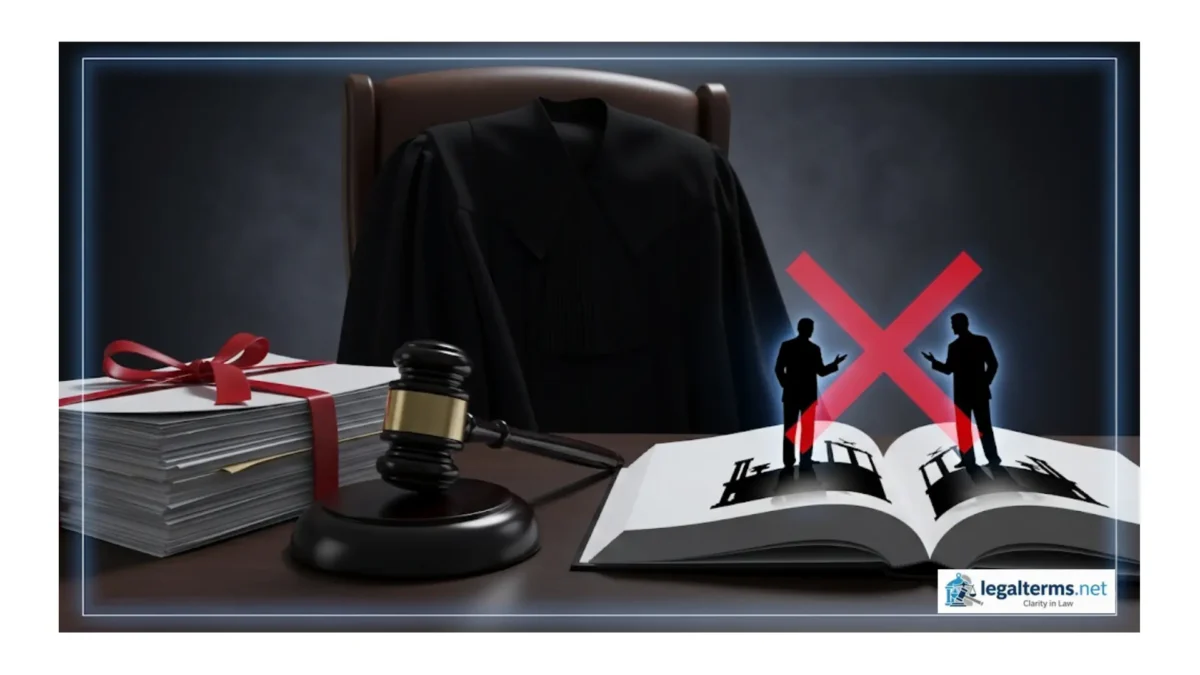
An injunction is a powerful legal remedy used in civil cases to prevent harm before it happens or to stop ongoing harm. Rather than awarding money, an injunction orders a person or entity to do something or stop doing something, and violating it can lead to serious penalties, including contempt of court.
Plain Definition
An injunction is a court order requiring a party to either take a specific action or refrain from a particular action. It is designed to protect rights, prevent damage, or preserve the status quo until the court can make a final decision on the underlying dispute.
Real-Life Examples
- Property disputes: A court orders a neighbor to stop building a fence until a boundary dispute is resolved.
- Intellectual property: A company is ordered to stop selling products that infringe on another company’s patent.
- Harassment cases: A restraining order instructs one person to stay away from another.
- Environmental protection: A court halts construction projects to prevent damage to protected habitats.
Importance of the Term
- Immediate relief: Provides urgent protection when waiting for a full trial could cause irreversible harm.
- Enforceable by law: Disobeying an injunction can lead to fines or jail time.
- Preserves fairness: Maintains the status quo so neither side gains an unfair advantage before the court decides.
- Prevents irreparable harm: Stops actions that money damages can’t fix.
Comparison (Injunction vs. Damages)
| Factor | Injunction | Damages |
|---|---|---|
| Purpose | Stop or compel an action | Compensate for loss |
| Timing | Often issued early in a case | Typically after a final judgment |
| Enforcement | Court order, contempt penalties | Monetary payment |
What Is an Injunction in Civil Cases? – FAQ
1) Can an injunction be temporary?
Yes. Temporary or preliminary injunctions are common until the court decides whether a permanent injunction is appropriate.
2) What happens if someone ignores an injunction?
They can face contempt of court charges, which may lead to fines or imprisonment.
3) Are injunctions only for emergencies?
They are most common in urgent cases, but they can also be part of long-term remedies.
4) Can an injunction be appealed?
Yes. Parties can challenge an injunction in a higher court if they believe it was wrongly issued.
5) Who decides whether to grant an injunction?
A judge, based on legal standards like likelihood of success in the case and risk of irreparable harm.
Closing
Injunctions are essential tools in civil law, offering immediate and enforceable remedies that protect rights and prevent harm before it’s too late.

Hamit Sahin is the founder and editor of LegalTerms.net. He researches U.S. legal terminology and publicly available legal information using statutes, court rules, judicial opinions, government publications, and established legal reference sources.
His work focuses on organizing complex legal concepts into clear, plain-English explanations for general educational purposes.
Hamit is not an attorney and LegalTerms.net does not provide legal advice.