Legal Mitigation of Damages: A Comprehensive Guide

What is Mitigation of Damages?
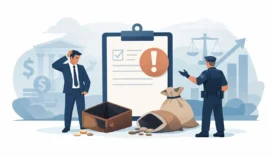
Mitigation of damages, in legal terms, refers to the duty of a person who has suffered a loss or injury to take reasonable steps to minimize or avoid further damages. It essentially means that you can’t simply stand by and watch your losses mount; you have a legal obligation to try and reduce the harm.
Think of it this way: if someone breaches a contract with you, you can’t just let the situation spiral out of control and then sue for the maximum possible amount. You need to take reasonable actions to lessen the negative impact of the breach.
The Legal Basis for Mitigation
The concept of mitigation is rooted in the principle of fairness. Courts don’t want to reward plaintiffs who could have prevented some of their losses. The legal basis varies depending on the jurisdiction, but it’s often found in common law principles or specific statutes related to contract, tort, or other areas of law.
As attorney Jane Doe, a specialist in contract law, explains, “Mitigation isn’t about absolving the defendant of responsibility, it’s about ensuring that the plaintiff acts reasonably to protect their own interests after the initial harm has occurred.”
Examples of Mitigation of Damages
Mitigation principles apply across various legal contexts. Here are a few examples:
Employment Law
If you’ve been wrongfully terminated from your job, you have a duty to mitigate your damages by actively seeking new employment. You can’t simply remain unemployed and expect to recover lost wages indefinitely. Courts will consider your efforts to find a new job when calculating damages.
Contract Law
Imagine you contracted with a supplier to deliver goods, and they breach the contract. You might be able to mitigate your damages by finding a replacement supplier, even if it costs you a bit more. The extra cost might be recoverable from the original supplier, but failing to find a replacement at all could limit your recovery.
Personal Injury
If you’ve been injured in an accident, you have a duty to seek appropriate medical treatment. Failing to do so could be seen as a failure to mitigate, potentially reducing the amount of compensation you receive. Following your doctor’s orders and attending physical therapy are essential steps in mitigation.

Why Mitigation Matters
Mitigation is crucial because it directly impacts the amount of damages you can recover in a legal claim. Failing to take reasonable steps to mitigate your losses can significantly reduce the compensation you receive, even if the other party is clearly at fault.
Failure to Mitigate
If a court finds that you failed to reasonably mitigate your damages, your compensation will be reduced accordingly. The burden of proof is usually on the defendant to demonstrate that you failed to mitigate.
Seeking Legal Advice
Understanding your duty to mitigate is essential for protecting your legal rights. If you’ve suffered a loss or injury, it’s always best to consult with an attorney to discuss your options and ensure you’re taking the necessary steps to mitigate your damages. They can provide tailored advice based on your specific circumstances.
FAQ
What happens if I don’t mitigate my damages?
If you fail to take reasonable steps to mitigate your damages, the court may reduce the amount of compensation you are entitled to receive. The defendant has the burden of proving that you failed to mitigate.
What are considered ‘reasonable steps’ for mitigation?
What constitutes ‘reasonable steps’ depends on the specific circumstances of your case. Generally, it means taking actions that a prudent person would take to minimize their losses. This could include seeking medical treatment, finding a new job, or finding a replacement supplier.
Who has the burden of proving failure to mitigate?
The defendant typically has the burden of proving that the plaintiff failed to take reasonable steps to mitigate their damages.

Hamit Sahin is the founder and editor of LegalTerms.net. He researches U.S. legal terminology and publicly available legal information using statutes, court rules, judicial opinions, government publications, and established legal reference sources.
His work focuses on organizing complex legal concepts into clear, plain-English explanations for general educational purposes.
Hamit is not an attorney and LegalTerms.net does not provide legal advice.