What Is the Three Strikes Law?
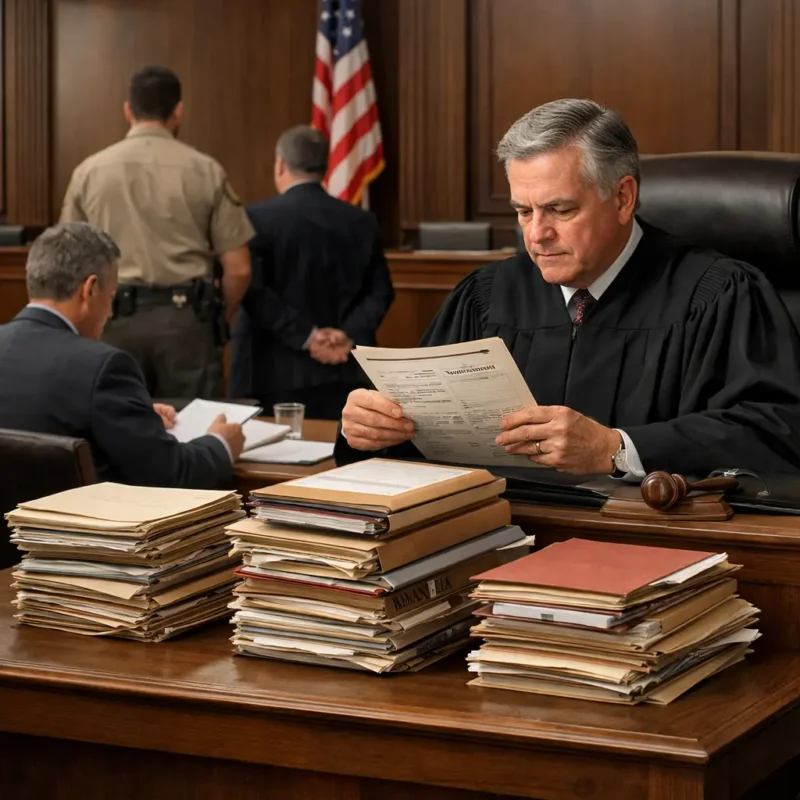
The Three Strikes Law is a criminal sentencing rule that increases penalties for repeat offenders. It requires longer prison sentences after multiple serious convictions. This law aims to deter repeat crime and protect public safety within the criminal justice system.
Legal Definition of the Three Strikes Law
The Three Strikes Law is a sentencing policy used in several jurisdictions, including the United States. It mandates enhanced punishment for individuals convicted of three qualifying criminal offenses. These offenses usually involve serious or violent felonies.
The law operates within the broader framework of the criminal justice system. It focuses on repeat offenders rather than first-time defendants. After a person commits a third qualifying crime, courts impose a significantly longer prison sentence. In many cases, the sentence may be life imprisonment.
The concept reflects the principle of escalating consequences. Each conviction increases legal exposure and reduces judicial flexibility. This sentencing structure is intended to prevent habitual criminal behavior.
Core Legal Meaning in Criminal Sentencing
In legal terms, the Three Strikes Law functions as a mandatory sentencing enhancement. It removes or limits judicial discretion after repeated felony convictions. Once statutory requirements are met, the court must impose the prescribed sentence.
This law applies after a criminal case results in conviction. It does not affect arrest procedures, police custody, or investigation stages. Instead, it applies during the sentencing phase after guilt has been established.
Law enforcement officers do not directly apply this law. However, their arrests and reports contribute to the criminal record used by prosecutors. Prosecutors then use prior convictions to request enhanced sentencing.
Courts rely on official criminal records to verify previous convictions. Defense lawyers may challenge whether prior convictions qualify under the statute.
Why It Is Called “Three Strikes”
The name comes from baseball terminology. In baseball, a batter is out after three strikes. Similarly, under this law, a defendant faces severe sentencing after three qualifying convictions.
The analogy reflects progressive punishment. Each conviction represents a “strike.” The third strike triggers mandatory or near-mandatory severe sentencing.
However, not every crime qualifies as a strike. Most statutes limit strikes to serious or violent felonies. These often include robbery, assault with a deadly weapon, and murder.
Legal Purpose and Policy Objectives
The Three Strikes Law serves several legal and public policy goals. Its primary purpose is to reduce repeat criminal behavior. Legislators designed it to deter individuals from committing additional serious crimes.
This law reflects concerns about habitual offenders. Repeat offenders often contribute disproportionately to crime rates. By imposing longer sentences, the law removes repeat offenders from the community.
Deterrence Within the Criminal Justice System
Deterrence is a key objective of criminal law. The Three Strikes Law strengthens deterrence by increasing consequences for repeated crimes.
The logic is straightforward. If offenders know future crimes will lead to severe punishment, they may avoid criminal conduct. This supports the preventive function of criminal law.
The United States Supreme Court has recognized deterrence as a legitimate sentencing goal. Courts allow legislatures to impose harsher penalties for repeat offenders.
Incapacitation and Public Safety
Another goal is incapacitation. This means preventing offenders from committing additional crimes by keeping them in prison.
When repeat offenders receive longer sentences, they cannot engage in further criminal activity during incarceration. This enhances public safety.
The law also reflects the state’s duty to protect constitutional protections of public safety. Governments balance individual rights with community protection.
Reinforcing Accountability and Legal Consequences
The Three Strikes Law reinforces the principle of accountability. Individuals remain responsible for repeated criminal conduct.
The law emphasizes that repeated violations carry increasing consequences. This approach reflects longstanding legal traditions.
Courts interpret repeat offenses as evidence of ongoing criminal behavior. This justifies stronger sentencing responses.
Legal Requirements and Qualifying Offenses
The Three Strikes Law does not apply automatically in every criminal case. Specific legal requirements must be satisfied before enhanced sentencing applies.
Each jurisdiction defines qualifying offenses. These definitions determine when prior convictions count as strikes.
First Strike: Initial Serious or Violent Felony
The first strike occurs when a defendant is convicted of a qualifying felony. This conviction establishes the initial strike on the defendant’s criminal record.
This conviction alone does not trigger enhanced sentencing. However, it creates the legal foundation for future sentencing consequences.
Defense lawyers may challenge whether the offense meets statutory definitions.
Second Strike: Increased Sentencing Exposure
The second strike increases legal consequences. Courts may impose longer sentences than normally required.
Judges often retain limited discretion at this stage. However, sentencing guidelines become stricter.
This stage signals increased legal risk for repeat offenders.
Third Strike: Mandatory Enhanced Sentence
The third strike triggers the most severe consequences. Courts must impose significantly enhanced penalties.
In many jurisdictions, this includes life imprisonment or extended prison terms. Judicial discretion becomes very limited.
This mandatory sentencing reflects legislative intent to address habitual offenders.
Real-World Application and Criminal Procedure Context
The Three Strikes Law applies during sentencing after conviction. It does not affect investigation procedures such as traffic stops or police station questioning.
However, law enforcement officers play a role by documenting arrests and collecting evidence. Their actions contribute to criminal records.
Prosecutors review criminal history during the charging process. They identify prior convictions that qualify as strikes.
Defense lawyers analyze prior convictions carefully. They may argue that earlier convictions do not qualify.
Courts review legal arguments and determine whether enhanced sentencing applies. This process ensures compliance with constitutional protections.
Relationship to Constitutional Rights and Legal Protections
The Three Strikes Law must comply with constitutional protections. These include due process rights and protection against cruel and unusual punishment.
The United States Supreme Court has addressed constitutional challenges to Three Strikes sentencing. In several cases, the Court upheld the law’s constitutionality.
The Court recognized legislative authority to impose harsher penalties on repeat offenders.
However, courts also ensure fair procedures. Defendants have the right to challenge qualifying convictions.
The right to counsel remains critical. Defense lawyers ensure defendants receive proper legal representation.
Constitutional safeguards ensure the law operates fairly within the criminal justice system.
Court Interpretation and United States Supreme Court Decisions
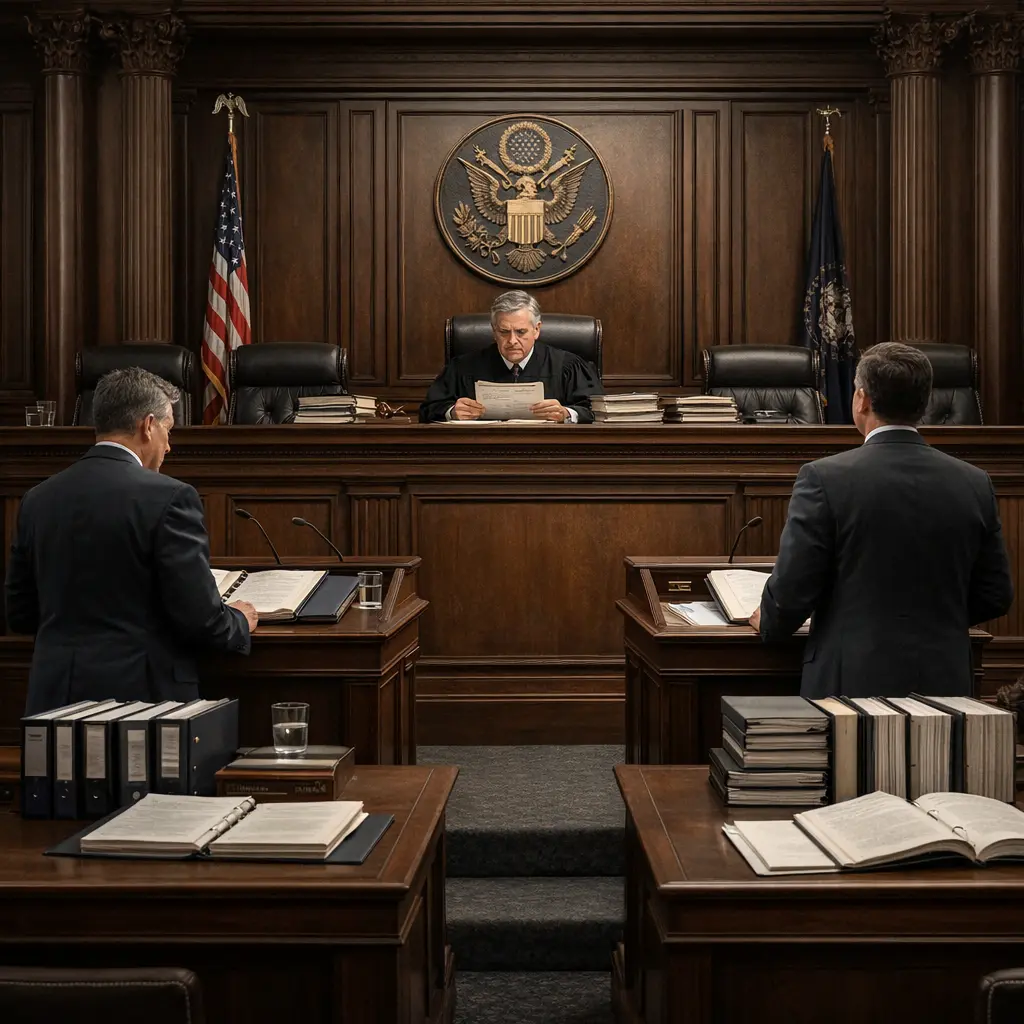
The United States Supreme Court has played a critical role in interpreting the Three Strikes Law. Defendants have challenged these laws under constitutional protections, particularly the Eighth Amendment. This amendment prohibits cruel and unusual punishment.
One of the most important cases is Ewing v. California (2003). In this criminal case, the defendant received a sentence of 25 years to life. His third strike involved stealing golf clubs worth approximately $1,200. The defense lawyer argued that the sentence was disproportionate.
The Supreme Court disagreed. It ruled that the sentence did not violate constitutional protections. The Court emphasized the state’s authority to punish repeat offenders more severely. It explained that repeat criminal conduct demonstrates ongoing risk to public safety.
This decision confirmed that enhanced sentencing under the Three Strikes Law is constitutionally valid. The Court recognized that legislatures have broad authority to structure sentencing policies.
Judicial Review and Constitutional Limits
Courts still review Three Strikes sentences for fairness and legality. Judges must ensure the law is applied correctly. They verify that prior convictions meet legal definitions.
Defense lawyers may argue that prior offenses do not qualify as strikes. They may also argue that sentencing procedures violated due process rights.
Courts examine whether defendants received fair trials in prior criminal cases. If constitutional violations occurred, prior convictions may not count as strikes.
This review protects defendants from improper sentencing. It ensures the law operates within constitutional protections.
Role of the Criminal Justice System in Enforcement
The criminal justice system includes several participants in Three Strikes sentencing. Law enforcement officers create the initial criminal record. Prosecutors analyze prior convictions during charging.
Judges evaluate legal requirements. They impose enhanced sentences when statutory conditions are satisfied.
Defense lawyers protect the defendant’s rights. They ensure fair application of the law and proper legal procedures.
Each participant helps maintain legal integrity. This supports fairness and constitutional compliance.
Legal Consequences and Sentencing Outcomes
The most significant consequence of the Three Strikes Law is extended imprisonment. Sentences increase dramatically after repeated qualifying convictions.
A third strike often results in life imprisonment. Some jurisdictions require life sentences without parole. Others allow parole after a minimum period.
These sentences are much longer than standard sentencing guidelines. This reflects legislative intent to address repeat criminal conduct.
Reduced Judicial Discretion
The Three Strikes Law limits judicial discretion. Judges must follow statutory sentencing rules.
In many criminal cases, judges consider factors such as rehabilitation potential. Under Three Strikes laws, these factors carry less weight.
Mandatory sentencing requirements reduce flexibility. Courts must impose the required enhanced penalty when legal conditions are met.
This promotes consistency in sentencing outcomes.
Long-Term Impact on Defendants
Enhanced sentencing has lasting consequences. Defendants may spend decades in prison. This affects employment, family relationships, and future opportunities.
Criminal records also affect civil rights. Convicted individuals may lose voting rights or firearm ownership privileges.
These consequences reflect the seriousness of repeat criminal conduct.
Practical Examples of Three Strikes Law Application
Understanding real-world examples helps clarify how the law works.
Example: Repeat Robbery Convictions
A defendant commits armed robbery and is convicted. This becomes the first strike.
Years later, the defendant commits another violent robbery. This results in a second strike. The sentence becomes longer.
After release, the defendant commits a third qualifying felony. This triggers the Three Strikes Law. The court imposes a life sentence.
This process reflects escalating consequences for repeat criminal behavior.
Example: Multiple Serious Felonies Across Time
A person commits assault with a deadly weapon. This becomes the first strike.
Later, the individual commits burglary involving violence. This becomes the second strike.
Years later, another qualifying felony occurs. The court applies Three Strikes sentencing.
The criminal justice system uses the defendant’s record to justify enhanced punishment.
Role of Police and Prosecutors
Law enforcement officers document criminal conduct during arrests. Their reports support criminal charges.
Prosecutors review criminal records. They present prior convictions to the court.
Defense lawyers evaluate prior convictions carefully. They may challenge legal validity.
Judges make final sentencing decisions based on legal standards.
Criticism, Controversies, and Legal Debate
The Three Strikes Law remains controversial. Legal scholars and policymakers debate its fairness and effectiveness.
Some critics argue that it leads to excessive punishment. They believe life sentences may be disproportionate in some cases.
Others argue that the law protects public safety. They emphasize the importance of preventing repeat crime.
Concerns About Proportionality
Critics argue that some third-strike offenses may be less severe. They believe life sentences may not always be justified.
The United States Supreme Court has addressed these concerns. It concluded that legislatures may impose stricter penalties on repeat offenders.
Courts continue to review proportionality arguments carefully.
Support for Crime Prevention Goals
Supporters argue that the law reduces crime rates. They believe longer sentences deter repeat offenders.
The law removes repeat offenders from society. This reduces opportunities for further criminal conduct.
This supports public safety objectives.
Relationship to Criminal Defense and Legal Strategy
Defense lawyers play a crucial role in Three Strikes cases. Their primary responsibility is protecting the defendant’s constitutional protections.
They examine criminal records carefully. They verify whether prior convictions qualify legally.
Defense lawyers may challenge evidence or prior convictions. They ensure fair sentencing procedures.
Protecting Constitutional Rights During Sentencing
The right to counsel is essential in Three Strikes cases. Defense lawyers help defendants understand legal consequences.
They ensure compliance with constitutional protections. This includes due process rights.
Courts rely on defense lawyers to ensure fairness.
This protects the integrity of the criminal justice system.
Legal Importance of Accurate Criminal Records
Accurate criminal records are critical. Courts rely on these records during sentencing.
Errors in records can affect sentencing outcomes. Defense lawyers review records to identify errors.
This ensures fair and lawful sentencing decisions.
The Three Strikes Law operates within structured legal procedures. It reflects the balance between individual rights and public safety.
FAQ Section
What is the main purpose of the Three Strikes Law?
The main purpose is to reduce repeat criminal behavior. It increases penalties for individuals convicted of multiple serious felonies. This approach protects public safety and deters habitual offenders. The law focuses on long-term crime prevention within the criminal justice system.
Does the Three Strikes Law apply to all crimes?
No, the law applies only to qualifying serious or violent felonies. Minor offenses typically do not count as strikes. Each jurisdiction defines qualifying offenses based on statutory criteria. Courts review criminal records to determine eligibility.
Can a Three Strikes sentence be challenged in court?
Yes, defendants may challenge sentencing. Defense lawyers may argue that prior convictions do not qualify. They may also raise constitutional protections, including due process violations. Courts review these claims carefully.
Does the Three Strikes Law violate constitutional protections?
The United States Supreme Court has ruled that the law is constitutional. The Court determined that enhanced sentencing for repeat offenders is legally permitted. However, courts must ensure fair procedures and proper legal application.
Can judges reduce Three Strikes sentences?
Judicial discretion is limited under these laws. However, some jurisdictions allow limited flexibility in special circumstances. Judges must follow statutory sentencing rules in most cases.
Does the law apply automatically after three convictions?
No, prosecutors must present qualifying prior convictions. Courts must verify legal eligibility before applying enhanced sentencing. This ensures compliance with constitutional protections.
Do all states use the Three Strikes Law?
Not all states use identical versions. Some states have stricter sentencing rules than others. Each jurisdiction defines its own requirements and penalties.
How does the law affect criminal defense strategy?
Defense lawyers focus on reviewing prior convictions. They may challenge qualifying status or procedural errors. Their goal is to protect constitutional protections and ensure fair sentencing.
Legal Context and Professional Review
This article provides an objective explanation of the Three Strikes Law within the criminal justice system. It reflects established legal principles recognized by courts, including the United States Supreme Court. The information is intended for educational purposes only.
This content does not provide legal advice or legal representation. Laws vary by jurisdiction, and individual cases require professional legal evaluation. Readers should consult a qualified defense lawyer for legal guidance specific to their situation.

Hamit Sahin is the founder and editor of LegalTerms.net. He researches U.S. legal terminology and publicly available legal information using statutes, court rules, judicial opinions, government publications, and established legal reference sources.
His work focuses on organizing complex legal concepts into clear, plain-English explanations for general educational purposes.
Hamit is not an attorney and LegalTerms.net does not provide legal advice.