What Is Legal Nuisance?
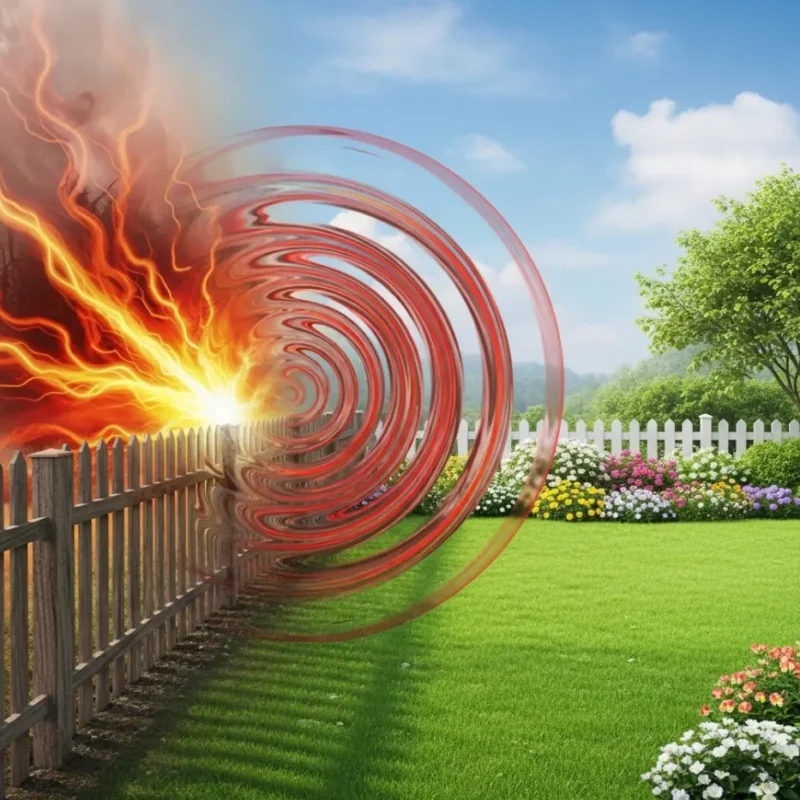
In civil law, individuals have the right to use and enjoy their property without unreasonable interference. When someone’s actions disrupt that right, the law recognizes it as a nuisance. This concept is central to balancing personal freedoms with community well-being.
Simple Definition
Legal nuisance is an act, condition, or use of property that unlawfully interferes with another person’s right to use and enjoy their land or property.
Real-Life Examples
- Noise complaints: Loud music at night that prevents neighbors from sleeping.
- Pollution: Factories releasing smoke or waste that affects surrounding homes.
- Obstructions: A neighbor blocking shared driveways or pathways.
- Odors: Strong smells from businesses like farms or restaurants impacting nearby residents.
Importance of the Term
- Protects property rights: Ensures people can use their homes and land peacefully.
- Maintains community standards: Promotes a balance between development and residents’ well-being.
- Encourages accountability: Holds individuals and businesses responsible for unreasonable interference.
- Supports fairness: Prevents harm caused by negligent or careless activities.
Types of Nuisance
| Type | Description | Example |
|---|---|---|
| Public nuisance | Affects the community at large | Blocking a public road |
| Private nuisance | Interferes with a specific individual’s property rights | Loud noise from a neighbor |
| Statutory nuisance | Defined by legislation as harmful to health or environment | Illegal dumping of waste |
FAQ
1) Is every annoyance considered a nuisance?
No. Only interferences that are unreasonable and unlawful under the law qualify.
2) Can a nuisance be temporary?
Yes. Temporary nuisances, like construction noise, can still be legally actionable.
3) What remedies exist for nuisance claims?
Courts may grant damages, injunctions, or orders to stop the nuisance.
4) Is nuisance always intentional?
Not necessarily. Negligence or even lawful activities can create a nuisance if they cause unreasonable harm.
5) Who can bring a nuisance claim?
Primarily property owners or tenants whose enjoyment of property is affected.
Closing
Legal nuisance is a cornerstone of property and environmental law, ensuring a fair balance between personal freedoms and the rights of others. By addressing unreasonable interferences, it protects communities and strengthens accountability in society.

Hamit Sahin is the founder and editor of LegalTerms.net. He researches U.S. legal terminology and publicly available legal information using statutes, court rules, judicial opinions, government publications, and established legal reference sources.
His work focuses on organizing complex legal concepts into clear, plain-English explanations for general educational purposes.
Hamit is not an attorney and LegalTerms.net does not provide legal advice.